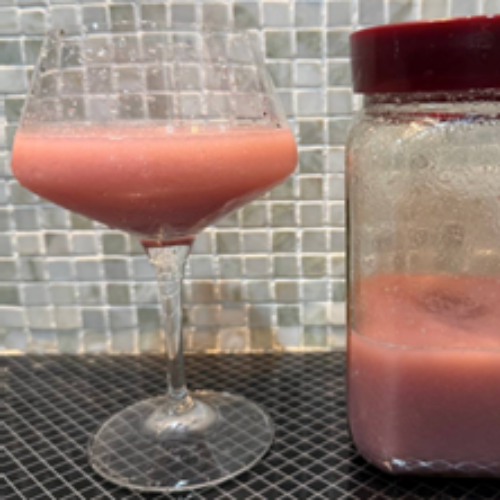
Polyphenol Probiotic LGG, LP299v, PS128 Juice Fermentation
Polyphenol Probiotic LGG, LP299v, PS128 Juice Fermentation
A functional probiotic drink made with polyphenol-rich fruits and targeted probiotic strains. Supports gut microbiome diversity, metabolic health, and gut-brain axis through fermentation.
Equipment
- Sterilised 1-litre mason jars
- Measuring spoons and cups
- Glass utensils for stirring
Ingredients
- 900-1000 ml A combination of 2-3 polyphenol-richfruits choose from below options
- Option 1 Black grapes (40–50% of the juice), Pomegranate (20–30%), or Kiwi (10–15%)
- Option 2 400 mL fresh dragon fruits (pink preferably), 400 mL pomegranates, or 200 mL kiwi fruits
- Option 3 300 mL pomegranate juice, 250 mL black grapes (orblueberries), or 250 mL red apple (or raspberry)
- Option 4 250ml Strawberry, 250ml Pomegranate juice, or 300 ml Red apple juice
- Option 5 900-1000 mL carrot and beetroot juice
- 2 tsp(10 gm) Inulin powder
- 1 scoop (5-8gm) - phgg/sunfiber
Instructions
- Combine Ingredients: Extract juice in cold press orblender. Ensure uniform dispersion
- Place juice in a container (glass or steel)(Can use food thermometer or temp controlled kettle or Anova sous vide device
- Bring juice to a boil(slow heating) to 65 deg C, then maintain this temp for 2-3 mins.
- Turn off heat and let the jar cool until its room temperature.
- Sanitise work area: Turn off air conditioning, fans, and close windows. Wash your hands or put on some latex gloves. Wipe your counter with alcohol-soaked paper towels. With a new alcohol-soaked paper towel, wipe down the jar of juice and probiotic bottle. Finally, sanitise your hands with alcohol. Let them air dry.
- Add Probiotics: If using capsules: Carefully open 2 capsules from each strain (rhamnosus GG + LP299V,) into the jar. Avoid sharp movements or having your sleeves hovering over the open jar or lid. Shake to mix or use a sterilised utensil by wiping with an alcohol-soaked paper towel or dipping it in boiling water for at least 30seconds.If using whey: 1 tbsp whey (or watery portion) of the previously made probiotic yoghurt. Mix well either by shaking the jar or using a sterilised long handle spoon and stir both clockwise and anti-clockwise.
- Incubate in a sous vide, yoghurt maker, or warm oven.
- Set the temperature to 40°C / 104°F. Ferment for 36 hours. Extend to 48 if fermentation feels incomplete (Fermented Juice tastes sweet).
- The final juice will taste slightly tart and fizzy. Refrigerate immediately and consume within 2 weeks. It will not thicken like yoghurt.
- Daily Consumption: 60-ml ml – anytime of the day. Can start slow at 30 ml if sensitive to probiotics
Notes
Notes:
Fruits Choices:
Berry family (all excellent choices):
- Black currants – particularly high in anthocyanins and ellagitannins
- Blueberries – strong polyphenol profile, natural acidity
- Strawberries – good polyphenol content, though slightly lower than darker berries
- Blackberries – robust polyphenol load
- Raspberries – strong anthocyanins
- Cherries – good polyphenol density
- Cranberries – naturally acidic, high tannins
- Black elderberries – very high polyphenol concentration
- Red apples – decent polyphenol content (red varieties better than green)
- Plums – reasonable polyphenol profile
- Dragonfruit – unique polyphenols, good for texture/viscosity
- Mango
- Apple
- Pear
- Grapes
- Watermelon
- Papaya
- Pomegranate
- Berries (all types—blueberries, blackberries, raspberries, black currants)
- Stone fruits (plums, cherries)
- Kiwifruit
- 300 mL mango or apple (or mix)
- 250 mL berries or grapes
- 250 mL pomegranate or another polyphenol fruit
- Optional 150 mL beetroot for earthiness can also use carrot
Clinical & Functional Rationale
Why This Recipe Works
This formulation combines:- Polyphenol-rich fruits (substrate for microbial metabolism)
- Targeted probiotic strains
- Prebiotics (Inulin + PHGG)
- Microbial diversity
- Short-chain fatty acid (SCFA) production
- Gut–brain and immune signalling
Probiotic Strain Synergy
1. Lactobacillus rhamnosus GG (LGG)
Core Actions:- Strong gut barrier support (tight junction integrity)
- Reduces intestinal permeability (leaky gut)
- Produces antimicrobial substances
- Prevents antibiotic-associated diarrhea
- Supports immune modulation (Th1/Th2 balance)
- Reduces gut-derived inflammation
2. Lactobacillus plantarum LP299V
Core Actions:- Enhances mucosal adhesion and colonization
- Improves iron absorption & gut lining health
- Reduces gas formation and bloating
- Highly effective in IBS (especially IBS-C and IBS-M)
- Improves stool regularity and abdominal comfort
- Modulates low-grade inflammation
3. Lactobacillus plantarum PS128 (Optional – Neuro-protective)
Core Actions:- Produces neuroactive compounds (GABA, dopamine modulation)
- Influences gut–brain axis signalling
- Supports mood, stress resilience, and sleep quality
- May benefit anxiety, ASD, and neuroinflammation
- Reduces systemic inflammatory signalling
Polyphenols + Microbiome Interaction
Polyphenols in fruits like:- Pomegranate
- Berries
- Grapes
- Kiwi
- Selectively feed beneficial bacteria (Lactobacillus, Bifidobacteria)
- Increase SCFA production (butyrate, acetate)
- Reduce pathogenic bacterial overgrowth
Fermentation-Driven Enhancements
Fermentation transforms this juice into a bioactive functional compound:- Increases polyphenol bioavailability
- Produces organic acids (lactic acid) → lowers pH
- Enhances antioxidant capacity
- Creates mild natural carbonation (CO₂)
Role of Prebiotics (Inulin + PHGG)
Inulin & PHGG (Sunfiber):- Feed beneficial microbes
- Increase butyrate production
- Improve bowel motility and stool consistency
- Supports IBS-C and chronic constipation
- Enhances probiotic survival and colonization
- Improves microbial diversity post-antibiotics
Gut Barrier & Anti-Inflammatory Effects
This combination supports:- Tight junction integrity (reduces leaky gut)
- Decreased LPS/endotoxin translocation
- Lower systemic inflammation
- IBS
- SIBO recovery phase
- Skin conditions (rosacea, eczema)
- Metabolic dysfunction
Gut–Brain Axis Support
With PS128 + polyphenols, this drink may:- Improve neurotransmitter balance
- Reduce stress-induced gut symptoms
- Support cognitive and emotional health
Digestive & Clinical Applications
✔ IBS & Functional Gut Disorders
- Reduces bloating and discomfort
- Improves stool frequency
- Supports microbiome rebalancing
✔ Dysbiosis Recovery
- Restores beneficial flora
- Useful post-antibiotics
- Helps stabilise gut environment
✔ Immune Regulation
- Enhances mucosal immunity (GALT)
- Reduces allergic tendencies
- Improves infection resistance
Why This Recipe Is Unique
- Combines polyphenols + targeted probiotics + prebiotics
- Works as a natural synbiotic fermentation system
- Supports both gut and brain health simultaneously
Practical Clinical Notes
- Target pH after fermentation: ~3.8 – 4.2
- Taste: slightly tart, mildly fizzy
- Best for:
- IBS
- Dysbiosis
- Post-antibiotic recovery
- Low-grade inflammation
- Rhamnosus GG: https://in.iherb.com/pr/culturelle-probiotics-health-wellness-50-mg-15-billion-cfus-30-vegetarian-capsules/7797
- Lactobacillus plantarum LP299V: https://in.iherb.com/pr/jarrow-formulas-vegan-ideal-bowel-support-10-billion-cfu-30-veggie-capsules/23209
- Lactobacillus plantarum PS128: https://benedlife.com/products/neuralli
References for Benefits of these strains:
- Postbiotic Fractions of Probiotics Lactobacillus plantarum 299v and Lactobacillus rhamnosus GG Show Immune-Modulating Effects
https://pmc.ncbi.nlm.nih.gov/articles/PMC10648844/ - Postbiotic Fractions of Probiotics Lactobacillus plantarum 299v and Lactobacillus rhamnosus GG Show Immune-Modulating Effects (PubMed version)
https://pubmed.ncbi.nlm.nih.gov/37947616/ - A Randomized Controlled Trial of Lactobacillus plantarum 299v in Irritable Bowel Syndrome
https://pubmed.ncbi.nlm.nih.gov/11711768/ - Effect of Lactobacillus plantarum 299v on Symptoms of Irritable Bowel Syndrome: A Real-Life Study
https://pubmed.ncbi.nlm.nih.gov/33556972/ - Effect of Probiotics on Functional Gastrointestinal Disorders (Systematic Review including LGG & LP299V)
https://pmc.ncbi.nlm.nih.gov/articles/PMC12898053/ - Effect of Lactobacillus plantarum PS128 on Intestinal Motility and Serotonin Signaling
https://pubmed.ncbi.nlm.nih.gov/34327633/ - Clinical Effects of Lactobacillus rhamnosus GG Supplementation in Children (Systematic Review)
https://pubmed.ncbi.nlm.nih.gov/39263298/