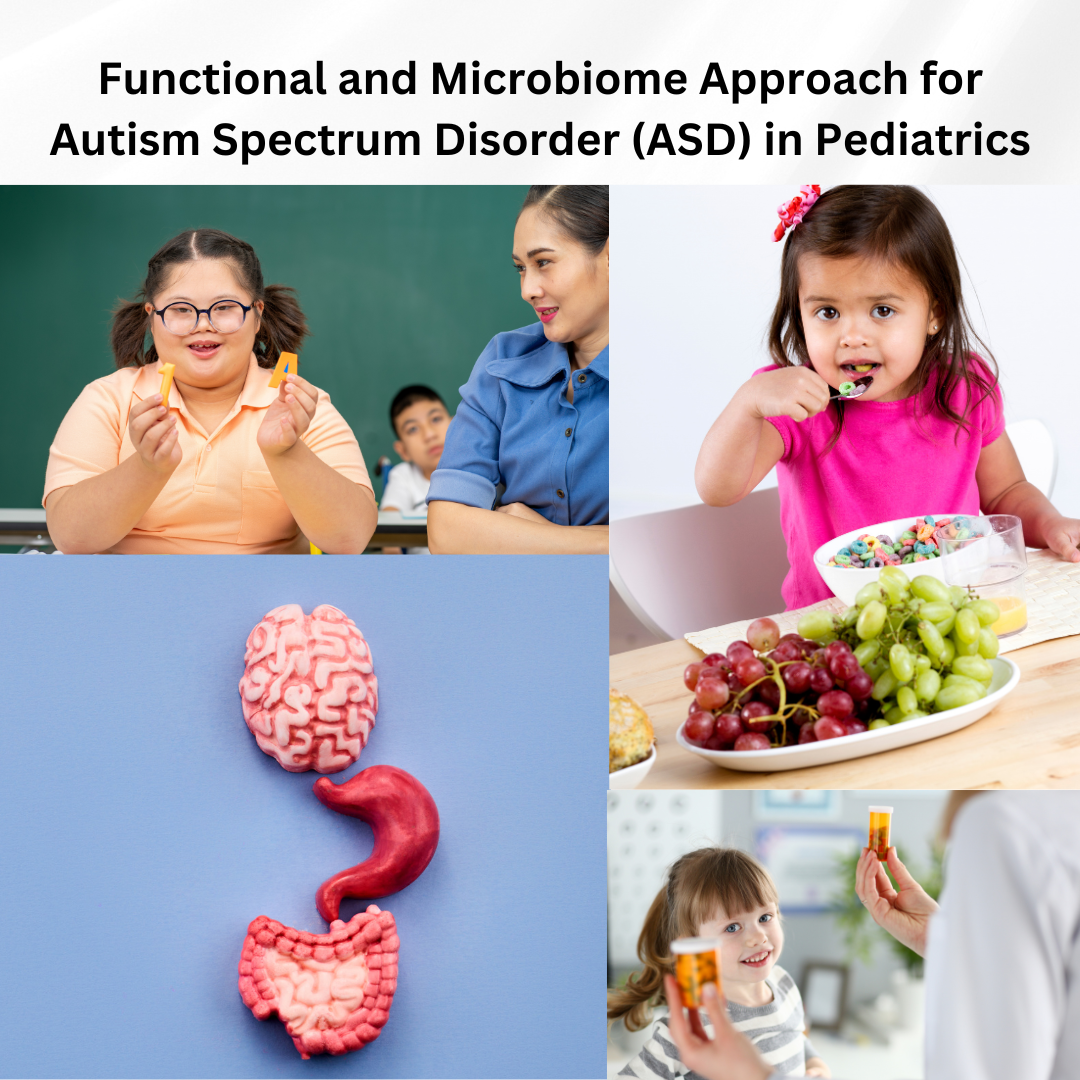
Functional and Microbiome Approach for Autism Spectrum Disorder (ASD) in Pediatrics
For many families living with Autism Spectrum Disorder (ASD), the daily challenges extend far beyond communication and behaviour. Chronic constipation, abdominal pain, food selectivity, sleep disturbances, and anxiety are often part of the journey too. Coincidence? Researchers don’t think so. Today, the gut microbiome, home to trillions of microorganisms, is emerging as one of the most exciting frontiers in autism research. While it does not cause ASD, mounting evidence suggests that the gut may influence inflammation, immune function, and the intricate communication between the gut and the brain, offering new opportunities to support children’s health through an individualised functional medicine approach.
What is Autism Spectrum Disorder (ASD)?
Autism Spectrum Disorder (ASD) is a complex neurodevelopmental condition that affects how a person communicates, interacts with others, learns, and experiences the world around them. The term “spectrum” reflects the wide range of strengths, abilities, and challenges seen among autistic individuals, no two children are exactly alike.
According to the World Health Organization (WHO), approximately 1 in 100 children worldwide are diagnosed with ASD, although prevalence varies across countries due to differences in awareness, diagnostic practices, and healthcare access. This is rapidly rising up at alarming rate in some of countries.
ASD is believed to arise from a combination of genetic and environmental factors that influence early brain development. While there is currently no single known cause or cure, growing research suggests that autism is not solely a condition of the brain. Many children also experience gastrointestinal, immune, metabolic, and nutritional challenges that can significantly affect their health and quality of life.
This broader understanding has encouraged researchers and clinicians to explore new ways of supporting children with ASD, not by changing who they are, but by addressing modifiable factors that may improve their overall well-being.
More Than a Digestive System: Understanding the Gut–Brain Axis for ASD
Your gut and brain are constantly communicating, even while you’re reading this blog.
This remarkable communication network, known as the gut–brain axis, links the digestive system with the brain through multiple pathways.
The gut and brain communicate through:
- The vagus nerve, which acts as a direct communication highway.
- Immune signalling, where inflammatory molecules influence brain function.
- Microbial metabolites, including short-chain fatty acids (SCFAs).
- Hormones and neurotransmitters, many of which are influenced by gut microbes.
Moreover, far from being passive residents, gut microbes help regulate digestion, train the immune system, produce vitamins, ferment dietary fibre, and generate compounds that influence mood, behaviour, and cognition.
Furthermore, when the microbiome is healthy and diverse, these systems work together harmoniously. But when microbial balance is disrupted, communication between the gut and brain may also be altered, potentially contributing to gastrointestinal symptoms and affecting overall well-being in some children with ASD.
So what happens when this delicate ecosystem begins to change?
When the Microbiome Falls Out of Balance in ASD
Every child’s microbiome is unique, shaped by genetics, birth history, diet, antibiotic exposure, environment, and lifestyle. Sometimes, however, this ecosystem loses its balance, a condition known as gut dysbiosis.
Rather than being caused by one harmful organism, dysbiosis usually involves a combination of microbial changes.
Common features of dysbiosis include:
- Reduced microbial diversity
- Declining beneficial bacteria
- Increased opportunistic microbes
- Altered microbial metabolism
- Reduced production of beneficial compounds such as butyrate
These changes may affect far more than digestion.
As beneficial microbes decline, important protective functions within the intestine begin to weaken. Thus, the result may include impaired gut barrier function, altered immune responses, and increased inflammatory signalling.
Current research suggests that these biological changes may contribute to gastrointestinal symptoms and influence gut–brain communication in some children with ASD.
One metabolite, however, stands out above the rest.
Butyrate.
Why Butyrate Has Become a Star Player in ASD Research
Produced when beneficial bacteria ferment dietary fibre, butyrate is much more than a digestive by-product; it is one of the most important molecules supporting gut health.
Butyrate helps:
- Fuel the cells lining the colon
- Strengthen the intestinal barrier
- Reduce intestinal inflammation
- Support immune regulation
- Maintain the blood–brain barrier
- Influence gene expression through epigenetic pathways
Unfortunately, many studies have reported reduced numbers of butyrate-producing bacteria in children with ASD.
Lower butyrate production may contribute to a weakened gut barrier, allowing bacterial products such as lipopolysaccharide (LPS) to interact more readily with the immune system. Researchers believe this may promote chronic low-grade inflammation and alter communication along the gut–brain axis in susceptible individuals.
Although this pathway does not explain autism itself, it represents one of the most promising therapeutic targets for improving gastrointestinal health and supporting overall well-being.
But there’s an important caveat.
Not every child with ASD has the same microbiome.
There Is No Single “Autism Microbiome”
One of the biggest lessons from microbiome research is that there is no universal autism microbiome.
Two children with similar behavioural symptoms may have completely different microbial profiles.
Some children show:
- Reduced microbial diversity
- Low butyrate-producing bacteria
- Increased inflammatory microbes
- Methane overproduction associated with constipation
- Excess hydrogen sulfide production
- Protein fermentation and elevated ammonia
Others may have relatively normal microbiome profiles despite significant neurological symptoms.
This is why functional medicine avoids one-size-fits-all protocols.
Instead, clinicians look for individual microbial patterns, dietary habits, gastrointestinal symptoms, nutritional deficiencies, and lifestyle factors before developing a personalised plan.
Rather than trying to “fix autism,” the goal is to improve the child’s internal environment, creating better conditions for digestive health, immune balance, and overall resilience.
And every successful protocol starts in the same place…
…the dinner plate.
Food as Medicine: Building a Microbiome That Thrives for ASD
Before probiotics, supplements, or advanced functional testing, nutrition forms the foundation of every microbiome-focused intervention.
The foods children eat every day determine which microbes flourish and which gradually disappear.
A microbiome-supportive dietary pattern focuses on feeding beneficial bacteria while reducing factors that encourage dysbiosis.
Prioritize:
- Colourful vegetables
- Fruits
- Legumes
- Whole grains
- Nuts and seeds
- Herbs and spices
- Resistant starches
Limit:
- Ultra-processed foods
- Excess refined sugar
- Artificial additives
- Emulsifiers
- Highly processed snack foods
One particularly valuable goal is increasing plant diversity rather than simply eating more vegetables.
Studies suggest that individuals consuming 30 or more different plant foods each week tend to have greater microbial diversity, which is associated with a healthier and more resilient microbiome.
For children with food selectivity, progress should be gradual. Small, sustainable dietary improvements often outperform highly restrictive diets that are difficult to maintain.
Feed the Good Bugs First: Increasing Butyrate Naturally for ASD Patients
If there is one lesson microbiome research has taught us, it’s this: healthy bacteria need healthy food.
Rather than focusing only on supplements, one should aim to create an environment where beneficial microbes can thrive naturally. Moreover, one of the primary goals is to increase the production of butyrate, a short-chain fatty acid that nourishes the gut lining, supports immune balance, and helps maintain healthy gut–brain communication.
Foods that naturally boost butyrate production include:
- Resistant starch from cooked and cooled potatoes, rice, and oats
- Green bananas and green banana flour
- Legumes such as lentils and chickpeas
- Oats and barley
- Apples, onions, garlic, and asparagus
- Nuts and seeds
The microbes responsible for producing butyrate—including Faecalibacterium prausnitzii, Roseburia, Eubacterium rectale, and Anaerostipes—depend on these fibres as their primary fuel source.
The takeaway is simple: don’t just add good bacteria, feed the ones already living in the gut.
Once the foundation is in place, targeted probiotics may provide additional support for selected children.
Precision Over Popularity: Choosing the Right Probiotics for ASD
When it comes to Autism Spectrum Disorder (ASD), more strains don’t necessarily mean better results.
Research shows that probiotics are strain-specific, meaning each strain has unique properties and potential health benefits. Rather than choosing a product with the highest number of bacteria, the focus should be on selecting strains that have been studied for their effects on gut health, immune function, and the gut–brain axis.
Some of the most promising probiotic strains include:
- Lactobacillus plantarum PS128 – One of the best-studied psychobiotic strains, PS128 has shown promising effects on the gut–brain axis and may help support emotional regulation, attention, communication, and social behaviour.
- Lactobacillus reuteri DSM 17938 – This strain has attracted considerable interest for its potential role in modulating oxytocin signalling, a hormone involved in social bonding and behaviour. It may also help support gastrointestinal and immune health.
- Bifidobacterium longum BB536 – Known for promoting a healthy intestinal environment, BB536 helps strengthen the gut barrier, improve digestive function, and support immune balance.
- Bifidobacterium longum 1714 – Often referred to as a psychobiotic, this strain has been associated with improved stress resilience, cognitive performance, and healthier communication along the gut–brain axis.
- Saccharomyces boulardii CNCM I-745 – Unlike bacterial probiotics, S. boulardii is a beneficial yeast that supports intestinal immunity, helps maintain microbial balance, and may be particularly useful following antibiotic use or during episodes of gastrointestinal disturbance.
No single probiotic works for every child, and responses can vary depending on an individual’s microbiome, diet, gastrointestinal symptoms, and overall health. For this reason, probiotic therapy should always be personalized, introduced gradually, and monitored carefully.
Prebiotics: The Fertilizer Your Microbiome Needs
If probiotics are the seeds, prebiotics are the fertilizer.
Prebiotics are non-digestible fibres that selectively nourish beneficial bacteria, encouraging them to grow, produce butyrate, and crowd out less desirable microbes.
Common prebiotics used in functional medicine include:
- Galacto-oligosaccharides (GOS) – encourage the growth of Bifidobacterium species.
- Partially Hydrolysed Guar Gum (PHGG) – a gentle, well-tolerated fibre that supports microbial diversity.
- Inulin and Fructooligosaccharides (FOS) – increase beneficial bacteria and short-chain fatty acid production.
- Resistant starch – one of the most effective dietary fuels for butyrate-producing microbes.
Because rapidly increasing fermentable fibres may temporarily worsen bloating or gas, especially in children with significant dysbiosis, the golden rule is simple:
Start low, go slow, and monitor symptoms.
When used thoughtfully, prebiotics and probiotics work together to create a healthier and more resilient microbial ecosystem.
Healing from Within: Supporting the Intestinal Barrier
The intestinal lining is only one cell thick, yet it performs one of the body’s most important jobs, allowing nutrients to enter while keeping harmful microbes and toxins out.
Moreover, when this barrier becomes compromised, bacterial products and food antigens may interact more readily with the immune system, contributing to inflammation in susceptible individuals.
Functional medicine focuses on addressing the causes of barrier dysfunction, rather than simply masking symptoms.
Nutrients commonly used to support gut barrier integrity include:
- Glutamine – the preferred fuel for intestinal cells.
- Zinc – essential for tissue repair and immune function.
- Vitamin D – supports immune regulation and barrier integrity.
- Butyrate – strengthens tight junctions between intestinal cells.
- Targeted probiotics – help restore microbial balance.
Supporting the gut barrier isn’t about “sealing a leaky gut overnight.” It’s about creating the conditions that allow the intestine to repair itself naturally over time.
Furthermore, a healthier gut barrier also creates a healthier environment for beneficial microbes to flourish.
MTHFR Gene and Folate: Understanding the Right Form of Folate in ASD
The MTHFR gene plays an important role in converting dietary folate into its active forms and supporting methylation, homocysteine metabolism, DNA repair, and neurological function. Variants such as C677T and A1298C may reduce MTHFR enzyme activity and affect folate metabolism in some individuals with ASD.
5-MTHF (5-methyltetrahydrofolate or methylfolate) directly provides the active form of folate and can bypass the MTHFR conversion step. It may therefore be considered when reduced MTHFR activity is identified.
Folinic acid (leucovorin) enters the folate cycle through a different pathway and may be particularly relevant when folate receptor alpha autoantibodies (FRAAs) interfere with folate transport into the brain. In selected children with cerebral folate transport abnormalities, folinic acid has been studied for its potential effects on communication, learning, and neurological function.
The choice between 5-MTHF and folinic acid, or whether either is required, should be individualised. MTHFR testing alone does not establish a diagnosis of folate deficiency or automatically justify high-dose supplementation. Folate status, homocysteine, clinical presentation, medications, and relevant testing should be considered. Therapeutic doses should be supervised by a qualified healthcare professional.
Heavy Metals in ASD: Binders and Supportive Detoxification Strategies
When significant exposure to aluminium, lead, or mercury is suspected or confirmed through appropriate testing, a comprehensive strategy may include binders, elimination support, and attention to bowel function. Activated charcoal and bentonite clay are commonly used binding agents; bentonite may also be particularly useful for binding LPS. Lactoferrin, used in some protocols at 500 mg twice daily, may be considered as an alternative or complementary binder depending on the clinical plan.
For multiple heavy metals, modified citrus pectin (MCP) may be considered because its smaller molecular structure improves absorption and allows systemic activity compared with regular pectin. For lead exposure, raw, pressed, or finely chopped garlic, which allows allicin formation, has been studied; an allicin extract may be considered when raw garlic is impractical.
Supportive strategies may include milk thistle for liver support and molybdenum, such as chelated molybdenum at 150 mcg daily, to support sulphur metabolism and detoxification pathways, particularly in relation to mercury.
Binders work best when bowel movements are regular. Adequate fibre, hydration, movement, and healthy microbial function are essential because slow transit may increase reabsorption. Significant heavy-metal exposure in children requires professional assessment and supervision.
Key Herbal Strategies for Supporting Gut Health in Children with ASD
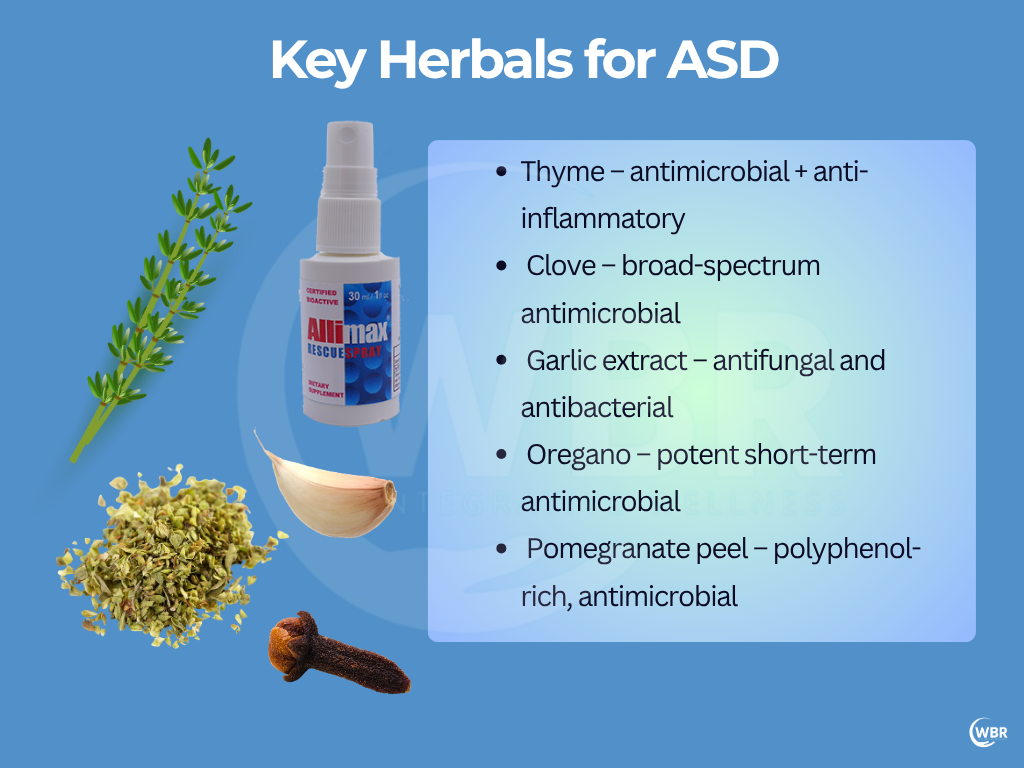
Alongside nutrition, probiotics, and prebiotics, certain herbal antimicrobials may be considered in children with significant gut dysbiosis, particularly when comprehensive assessment suggests microbial imbalance or intestinal overgrowth. Rather than eliminating all microbes, the goal is to gently reduce opportunistic organisms while preserving and rebuilding a healthy microbiome.
Herbs commonly used for ASD include:
- Pomegranate Husk (Punica granatum) – Rich in polyphenols with antimicrobial and antioxidant properties that may help support microbial balance and intestinal health.
- Thyme (Thymus vulgaris) – Traditionally used for its antimicrobial and anti-inflammatory properties, helping support a healthier gut environment.
- Oregano (Origanum vulgare) – Contains carvacrol and thymol, compounds known for their broad-spectrum antimicrobial activity. Due to its potency, it is generally used for shorter durations under professional supervision.
- Clove (Syzygium aromaticum) – Offers broad-spectrum antimicrobial activity while providing antioxidant support.
- Garlic Extract (Allium sativum) – Well known for its antibacterial and antifungal properties, making it a valuable addition in protocols targeting microbial overgrowth.
Additional Herbal and Nutritional Support for Calming, Neuroprotection and Cognitive Health
Herbal strategies may be selected according to the individual’s primary needs. For calming and nervous-system support, Passiflora, Lavandula, and Valeriana may be considered, while Avena sativa (green milky oats) and Verbena officinalis may provide longer-term trophorestorative support. Adaptogens such as Schisandra and Withania somnifera may support stress resilience.
For neuroprotection and cognitive support, curcumin phytosome, such as Meriva, may be used in a bioavailable form; resveratrol, grape seed extract, saffron (Crocus sativus), and Pycnogenol provide additional polyphenol and antioxidant support. Saffron has been explored for mood and cognitive support, resveratrol for inflammatory and behavioural pathways, and branded Pycnogenol for attention and hyperactivity, with research primarily from ADHD populations.
CoQ10, acetyl-L-carnitine, and alpha-lipoic acid may support mitochondrial function and cognitive resilience, while Boswellia may provide additional anti-inflammatory support. The gut–brain axis remains central: fibre, galactooligosaccharides (GOS), butyrate-supporting strategies, and polyphenol-rich foods such as berries, blackcurrants, cocoa, and red grapes may help support microbial balance and reduce inflammatory signalling.
Colour Your Plate: Harnessing the Power of Polyphenols for ASD
Not all plant compounds feed the microbiome equally.
Polyphenols, natural compounds responsible for the vibrant colours of many fruits, vegetables, herbs, and spices, act as microbiome modulators, helping beneficial bacteria thrive while reducing oxidative stress and inflammation.
Polyphenol-rich foods include:
- Berries
- Green tea
- Pomegranate
- Cocoa
- Curcumin (turmeric)
- Quercetin-rich apples and onions
- Extra virgin olive oil
Beyond their antioxidant properties, polyphenols may:
- Increase butyrate-producing bacteria
- Support Akkermansia muciniphila, a key gut barrier-supporting microbe
- Reduce inflammatory signalling
- Improve microbial diversity
- Support mitochondrial function
Instead of viewing polyphenols as supplements alone, think of them as food for both the child and their microbiome.
Together with fibre-rich foods, they help shape a healthier intestinal ecosystem that supports long-term gut resilience.
When Is It Time to Address Dysbiosis More Directly?
For some children, nutrition and probiotics alone may not be enough.
Persistent constipation, significant microbial overgrowth, recurrent gastrointestinal symptoms, or abnormal stool testing may indicate the need for a more targeted approach under the supervision of a qualified healthcare practitioner.
Depending on the clinical picture, interventions may include:
- Herbal antimicrobials such as oregano, thyme, garlic, or clove
- Digestive enzyme support
- Strategies to improve bowel motility
- Individualized dietary modifications
- Sequential microbiome rebuilding with probiotics and prebiotics
The goal is not to eliminate bacteria indiscriminately but to restore microbial balance while preserving beneficial organisms.
Moreover, dysbiosis is an ecosystem problem, not simply an infection to be eradicated.
That philosophy also extends beyond the gut. Thus, supporting the microbiome is only one part of optimising health in children with ASD. The next step is addressing nutritional status, mitochondrial function, and building a practical, personalised care plan.
Looking Beyond the Gut: Supporting the Whole Child
Although the gut microbiome has become a major focus in autism research, it is only one piece of a much larger puzzle. Many children with ASD may also have nutritional deficiencies, oxidative stress, mitochondrial dysfunction, sleep disturbances, and chronic inflammation that influence their overall health.
Rather than relying on a single intervention, one must adopt a whole-child approach, combining nutrition, lifestyle, microbiome support, and targeted supplementation to address individual needs.
Common nutritional considerations include:
- Omega-3 fatty acids (DHA & EPA): Support brain development, neuronal function, and healthy inflammatory responses.
- Magnesium: Plays an important role in nervous system function, muscle relaxation, sleep quality, and stress regulation.
- Vitamin D: Supports immune function, gut barrier integrity, and neurodevelopment.
- Zinc: Essential for immune health, neurotransmitter function, and intestinal repair.
Thus, these nutrients should ideally be assessed and corrected based on individual needs rather than supplemented routinely. The aim is to optimise the body’s natural ability to grow, repair, and function, not simply to manage symptoms.
Lifestyle Changes to Support Children with ASD
Lifestyle foundations can significantly influence sleep, behaviour, cognition, gut health, and overall wellbeing. Sleep is foundational: a consistent sleep schedule, calming bedtime routine, reduced evening stimulation, and assessment for sleep apnoea are important. Low-dose melatonin, such as 0.5 mg before bed, may be considered under professional guidance; approximately eight hours of sleep is a useful target.
Regular enjoyable movement for 30–60 minutes, 4–6 days per week can support mitochondrial biogenesis, cerebral blood flow, inflammation, and the microbiome. Swimming, cycling, climbing, dancing, and outdoor play all count.
A low-glycaemic, low-inflammatory, whole-food diet should minimise refined carbohydrates and ultra-processed foods while emphasising fibre from vegetables, fruits, legumes, nuts, and seeds. Polyphenol-rich foods such as dark berries, cocoa, red grapes, and leafy greens can support beneficial bacteria and neuroprotective pathways.
Stress reduction may include yoga, meditation, music, nature, creative play, and predictable routines. Meaningful social connection and interest-based cognitive stimulation through games, puzzles, learning, and special interests can support development.
Morning natural light, consistent sleep–wake times, and avoiding screens 2–3 hours before bed support circadian rhythm. Finally, minimise unnecessary antibiotic exposure, optimise vitamin D, and address constipation, reflux, food sensitivities, and dysbiosis where clinically appropriate. These foundations help make nutritional and herbal protocols more effective and sustainable.
Conclusion
Autism Spectrum Disorder is a complex neurodevelopmental condition shaped by a combination of genetic, environmental, and biological factors. While the gut microbiome is not considered a cause of ASD, growing research suggests that it plays an important role in gastrointestinal health, immune regulation, metabolism, and communication along the gut–brain axis.
A functional medicine approach does not seek to “cure” autism. Instead, it focuses on identifying and addressing modifiable contributors such as gut dysbiosis, reduced microbial diversity, impaired gut barrier function, chronic inflammation, and nutritional deficiencies. By combining personalized nutrition, targeted microbiome support, lifestyle interventions, and appropriate functional assessments, clinicians can help create an internal environment that supports better digestive health and overall resilience.
As our understanding of the gut–brain connection continues to evolve, one message is becoming increasingly clear: supporting the gut is not about changing who a child is—it is about helping them feel healthier, more comfortable, and better equipped to reach their full potential.
References:
- The Gut-Microbiota-Brain Axis in Autism Spectrum Disorder (NCBI Bookshelf): https://www.ncbi.nlm.nih.gov/books/NBK573606/
- The Brain-Gut-Microbiome System: Pathways and Implications for Autism Spectrum Disorder (PubMed): https://pubmed.ncbi.nlm.nih.gov/34960049/
- Gut Microbiota Changes in Children with Autism Spectrum Disorder: A Systematic Review (BMC Microbiology): https://pmc.ncbi.nlm.nih.gov/articles/PMC6996179/
- Probiotics, Prebiotics, Synbiotics and Fecal Microbiota Transplantation in the Treatment of Behavioral Symptoms of Autism Spectrum Disorder: A Systematic Review (Autism Research): https://onlinelibrary.wiley.com/doi/10.1002/aur.2560