Functional Medicine Approach to Osteoporosis and Osteopenia
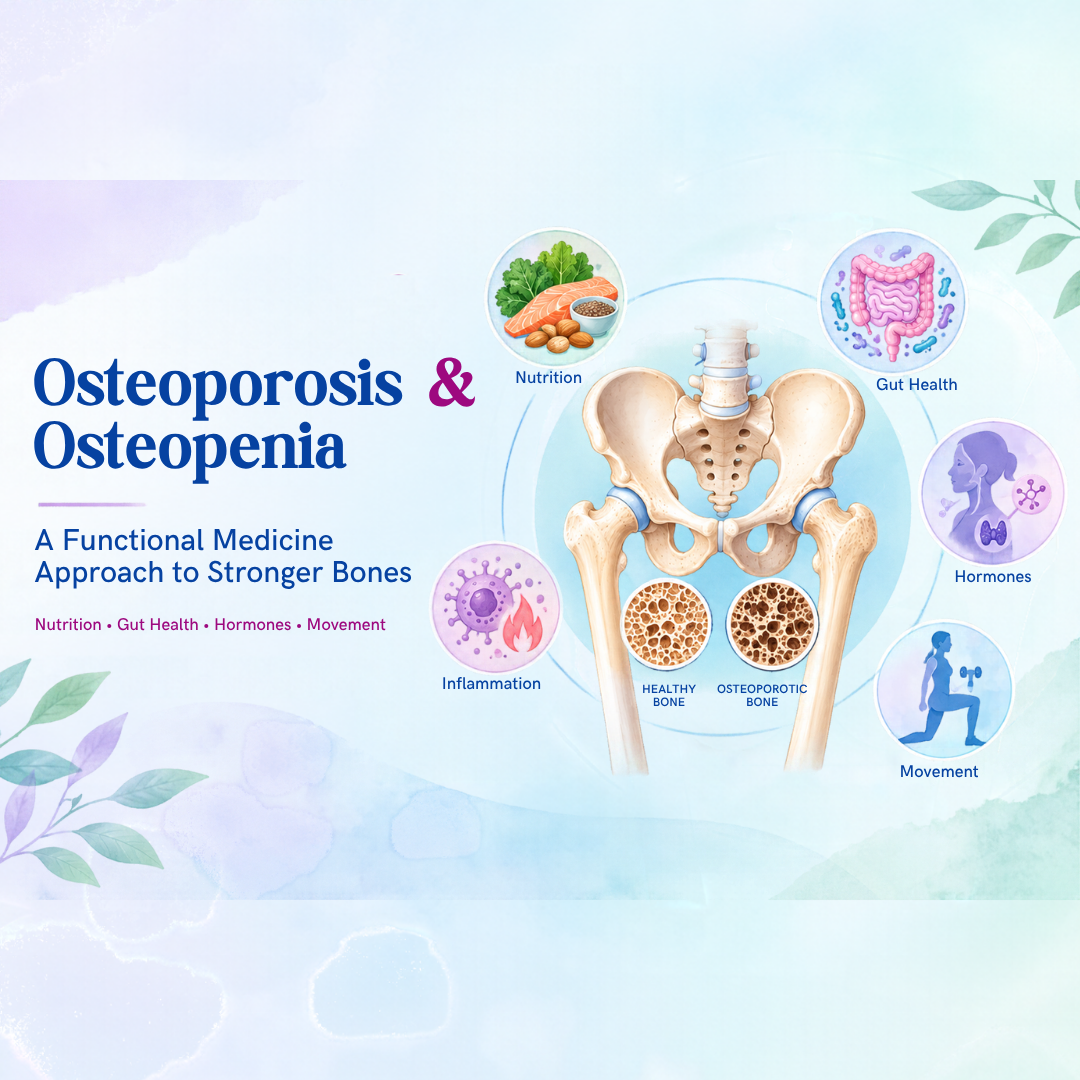
Bone health involves more than calcium and vitamin D. According to the International Osteoporosis Foundation, approximately 500 million men and women worldwide live with osteoporosis, increasing their risk of debilitating fractures. Osteopenia, an early stage of low bone density, also deserves attention. However, bone loss rarely stems from a single factor. Hormonal changes, nutrient deficiencies, chronic inflammation, reduced muscle strength and gut microbiome imbalances all influence skeletal health. Therefore, a functional medicine approach investigates these interconnected factors to support stronger bones, preserve mobility and reduce fracture risk through personalised nutrition, lifestyle changes and evidence-based medical care.
What Are Osteoporosis and Osteopenia?
Osteoporosis is a skeletal disorder that weakens bones and increases their susceptibility to fractures. Osteopenia describes bone mineral density below the normal range but not low enough to meet the densitometric definition of osteoporosis.
A DEXA scan measures bone mineral density (BMD), usually at the hip and lumbar spine. In postmenopausal women and men aged 50 or older, clinicians generally interpret T-scores as follows:
- Normal: −1.0 or higher.
- Osteopenia: Below −1.0 but above −2.5.
- Osteoporosis: −2.5 or lower.
However, BMD alone does not tell the whole story. Previous fragility fractures, age, family history, medication use, muscle strength and fall risk also influence fracture probability. Consequently, clinicians combine DEXA findings with clinical assessment and tools such as FRAX when appropriate.
Osteopenia deserves attention because it offers an opportunity to identify modifiable risks before further bone loss occurs. Nevertheless, not everyone with osteopenia requires medication; treatment decisions depend on overall fracture risk.
Understanding Osteoporosis and Osteopenia
Bones constantly undergo remodelling. Osteoblasts build new bone tissue, while osteoclasts break down older bone. Normally, these processes work together to maintain skeletal strength. However, when bone resorption exceeds bone formation, bone density gradually declines.
Osteopenia describes bone density below the expected range for a healthy young adult, but not low enough to meet the diagnostic threshold for osteoporosis. Osteoporosis involves more substantial bone loss and increases the risk of fractures, particularly in the hip, spine and wrist.
Although osteoporosis often develops silently, early assessment matters. Identifying low bone density and its contributing factors helps people make informed decisions about nutrition, exercise, fall prevention and medical treatment.
What Causes Osteoporosis? A Functional Medicine Perspective
Osteoporosis rarely develops because of one isolated problem. Instead, several biological and lifestyle factors influence bone remodelling over time.
Hormonal changes play a significant role. For example, declining oestrogen levels during menopause accelerate bone loss. Low testosterone, thyroid disorders and excess parathyroid hormone also affect skeletal health.
Nutrient deficiencies create additional challenges. Calcium provides the structural mineral for bones, while vitamin D supports calcium absorption. In addition, protein, magnesium, phosphorus and vitamin K contribute to bone structure, mineral metabolism or the maintenance of supporting tissues.
Digestive problems also deserve attention. Coeliac disease, inflammatory bowel disease and other conditions that impair nutrient absorption reduce the body’s ability to obtain essential nutrients from food.
Moreover, smoking, excessive alcohol consumption, physical inactivity and prolonged use of certain medications, including glucocorticoids, increase osteoporosis risk.
A functional medicine approach considers these factors together. Rather than focusing exclusively on calcium intake, it evaluates hormonal health, digestion, dietary patterns, medication history, physical activity and other contributors to bone loss. However, this broader assessment complements rather than replaces conventional osteoporosis evaluation.
Functional Medicine Testing for Bone Health
A personalised bone-health plan starts with a careful assessment of risk factors, symptoms, diet, digestion, medications and lifestyle. Testing then helps identify specific problems that require attention.
Bone density assessment: A DXA scan measures bone mineral density, usually at the hip and lumbar spine. Healthcare professionals interpret the results alongside fracture history and other clinical information.
Blood tests: Depending on the individual’s history, a clinician may assess serum calcium, kidney function, 25-hydroxyvitamin D, thyroid function, parathyroid hormone and other relevant markers. A complete blood count, liver tests, phosphate, alkaline phosphatase or coeliac screening may also help identify underlying contributors.
Bone turnover markers: Tests such as PINP and CTX provide information about bone formation and breakdown. Clinicians sometimes use them to monitor treatment response, although these markers do not replace a DXA scan.
Digestive assessment: When symptoms or medical history suggest malabsorption, clinicians investigate conditions such as coeliac disease or inflammatory bowel disease. Further testing depends on the suspected problem.
Gut microbiome testing: Commercial microbiome tests provide information about selected microbial features, but they do not diagnose osteoporosis or establish an individual’s fracture risk. Their routine use to guide osteoporosis treatment remains unproven.
Ultimately, the best testing strategy answers a specific clinical question. It avoids unnecessary panels and connects each result to a practical management decision.
How Do Dietary Patterns and Prebiotics Support Bone Health?
Beyond individual nutrients, overall dietary quality influences skeletal and muscular health. A varied diet provides protein, minerals, vitamins and fermentable substrates that support intestinal microbes.
First, legumes, vegetables, fruit, whole grains, nuts and seeds supply fibre and other beneficial dietary components. Gut bacteria ferment certain fibres into short-chain fatty acids, which influence intestinal physiology and immune signalling. Researchers continue to investigate whether these effects translate into clinically meaningful improvements in bone density.
Prebiotics such as galactooligosaccharides (GOS), inulin and partially hydrolysed guar gum (PHGG) offer different fermentation characteristics. However, their direct effects on fracture prevention remain uncertain.
Meanwhile, fermented foods such as yoghurt and selected fermented vegetables contribute variety to the diet. Their microbial content differs by product, processing method and storage conditions, so not every fermented food supplies live organisms with demonstrated bone-health benefits.
Adequate energy intake also matters. Restrictive diets that eliminate multiple food groups without suitable replacements increase the risk of nutritional inadequacy. Therefore, personalise dietary recommendations to the individual’s needs, preferences and gastrointestinal tolerance.
People with bloating or other digestive symptoms should introduce fermentable fibres gradually. In addition, clinicians should investigate persistent diarrhoea, unexplained weight loss or suspected malabsorption rather than relying on prebiotics alone.
Nutrition for Stronger Bones
A balanced diet supplies the nutrients required for bone formation, muscle function and everyday movement. However, no single food or supplement provides complete protection against osteoporosis.
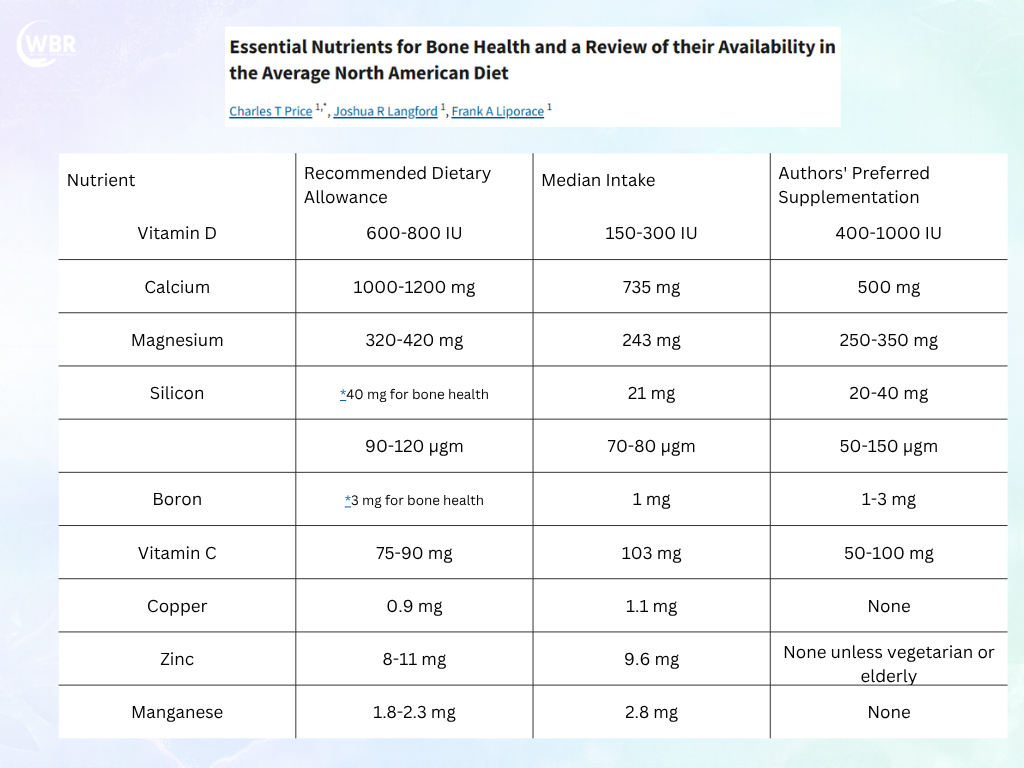
Calcium forms the mineral framework of bones. Useful sources include dairy products, calcium-set tofu, selected leafy greens, sesame seeds and calcium-fortified foods. People who avoid dairy should plan their intake carefully because calcium content varies considerably across plant foods.
Vitamin D supports calcium absorption and normal bone mineralisation. Sun exposure, dietary sources and supplements contribute to vitamin D status, depending on individual circumstances. Blood testing helps clinicians identify deficiency and determine an appropriate dose.
Protein supports muscle mass, physical strength and the structural framework of bone. Eggs, fish, poultry, dairy products, legumes, soy foods and other suitable protein sources help meet daily needs.
Magnesium contributes to normal bone structure and vitamin D metabolism. Nuts, seeds, legumes, whole grains and leafy vegetables provide useful amounts.
Vitamin K participates in the production of proteins involved in bone metabolism. Green leafy vegetables supply vitamin K1, while certain fermented foods provide vitamin K2. People taking warfarin should maintain consistent vitamin K intake and consult their clinician before making substantial dietary changes.
Additionally, adequate energy intake and a varied diet support healthy bone remodelling. Supplements should address identified gaps rather than replace a nutrient-rich eating pattern.
Targeted Supplements for Bone Health
Supplements can help address nutritional gaps, but the right choice and dose depend on dietary intake, laboratory results, kidney function and medication use.
- Calcium: Prioritise food sources. If intake is insufficient, calcium citrate or hydroxyapatite are options. A 500–600 mg elemental calcium dose may help fill the gap; account for dietary calcium and divide doses when appropriate.
- Vitamin D3: Doses of 2,000–4,000 IU daily are sometimes used, but requirements vary. Use clinical assessment and 25-hydroxyvitamin D testing when indicated to guide supplementation.
- Magnesium: Magnesium glycinate or citrate may help address inadequate intake. Doses of 200–400 mg elemental magnesium require individual assessment, particularly in people with kidney disease.
- Vitamin K2 (MK-7): Although 90–180 mcg daily appears in some protocols, evidence does not establish this dose as necessary for everyone or prove that it prevents fractures. People taking warfarin need medical guidance.
- Boron: Studied for its potential effects on mineral and hormone metabolism, but evidence does not support routine supplementation for osteoporosis.
- Silica and strontium: Evidence for silica remains limited. Strontium products differ in safety and evidence; prescription strontium ranelate requires medical oversight where available.
- Omega-3 fatty acids: EPA and DHA influence inflammatory pathways, but they are not established osteoporosis treatments.
- Collagen peptides: Collagen contributes to bone structure, although evidence that 10 g daily prevents fractures remains limited.
Clinical priority: Correct deficiencies, meet calcium and protein needs, maintain appropriate vitamin D status and follow evidence-based osteoporosis care. Supplements should complement—not replace—prescribed treatment when indicated.
The Gut–Bone Axis: How Gut Health Influences Bone Strength
The gut microbiome influences bone metabolism through immune regulation, microbial metabolites, nutrient absorption, and intestinal barrier integrity.
Short-chain fatty acids (SCFAs), particularly butyrate, help regulate immune activity by promoting regulatory T cells (Tregs), which can inhibit osteoclast differentiation and reduce bone resorption. Butyrate also supports gut barrier integrity and has demonstrated effects on Wnt10b signalling and osteoblast activity in experimental research.
Gut bacteria contribute to vitamin K availability, while intestinal pH, barrier function, and overall gut health influence calcium absorption. Conversely, dysbiosis can increase lipopolysaccharide (LPS)-driven inflammation, promoting osteoclast activity and potentially accelerating bone loss.
Studies have identified associations between osteoporosis and altered microbial composition, including changes in Lachnospiraceae, Bifidobacterium, Bacteroides, Dialister, Eggerthella, Escherichia/Shigella, and Proteobacteria. Reduced abundance of certain butyrate-producing bacteria has also been associated with lower bone mineral density. However, these patterns vary across studies and populations and do not constitute a validated diagnostic signature.
Probiotics and Bone Health: Strains and Potential Benefits
Specific probiotic strains have attracted interest for their potential role in bone metabolism, immune regulation and intestinal health. However, their effects vary by strain, and probiotics should complement rather than replace established osteoporosis treatment.
- Lactiplantibacillus plantarum HEAL9 – Studied alongside other probiotic strains for its potential role in maintaining bone mineral density and influencing immune responses associated with bone remodelling.
- Lactiplantibacillus plantarum HEAL19 – Investigated for its potential to support bone health through interactions with inflammatory pathways and the gut–bone axis.
- Lacticaseibacillus paracasei 8700:2 – Studied in combination with other strains for potential effects on bone mineral density and immune regulation.
- Limosilactobacillus reuteri ATCC PTA 6475 – Investigated for its potential to influence inflammatory signalling and osteoclast activity, which contributes to bone breakdown. However, human trials have produced mixed results, and a 2024 trial did not find a significant improvement in bone mineral density.
Adjuncts for Osteoporosis and Osteopenia
Phytoestrogens offer a potential adjunctive strategy for supporting bone health during the menopausal transition. Soy isoflavones, particularly genistein and daidzein, interact with estrogen receptors and may help moderate postmenopausal bone loss. Clinical trials and meta-analyses report modest benefits for bone mineral density, although outcomes vary by dose, formulation and duration. Some evidence supports doses above 75 mg/day, but this is not a universally established threshold for efficacy. Soy isoflavones do not replace hormone therapy or osteoporosis medication when clinically indicated. (Research review)
For a food-based approach, try B. longum BB536 probiotic soy yoghurt recipe. It combines soy milk, a source of isoflavones, with Bifidobacterium longum BB536 and prebiotic fibres. Soy provides daidzein, which gut microbes can convert into equol, a metabolite with estrogen-receptor activity. However, equol production varies between individuals, and increased equol production or improved bone outcomes from this specific fermented recipe have not been established clinically. The yoghurt offers a practical way to incorporate soy and probiotic foods into a bone-supportive diet.
Anti-inflammatory adjuncts such as boswellia phytosome, curcumin phytosome and bromelain may be considered when inflammatory symptoms, including joint pain, accompany elevated CRP or ESR. Evidence for these supplements varies, and they should not be considered core treatments for improving bone mineral density or preventing fractures.
These adjuncts work best alongside adequate protein, calcium and vitamin D, progressive resistance and weight-bearing exercise, assessment of secondary causes, and evidence-based osteoporosis treatment when needed.
Exercise to Maintain Bone Density and Strength
Physical activity supports bone health by applying mechanical forces to the skeleton. It also improves muscle strength, balance and coordination, helping reduce the risk of falls.
Weight-bearing exercise includes activities performed while standing, such as walking, stair climbing and dancing. The appropriate intensity depends on an individual’s health, fitness and fracture risk.
Resistance training strengthens muscles and places beneficial loads on the skeleton. Exercises using weights, resistance bands or suitable machines help preserve strength and function. A qualified professional should tailor the programme for people with osteoporosis, particularly those with vertebral fractures.
Balance training improves stability and helps people manage everyday movements more safely. Supported standing exercises, carefully selected balance drills and appropriate movement practices can form part of a fall-prevention plan.
However, not every exercise suits every person. High-impact movements, forceful spinal flexion and twisting exercises require particular caution in people with vertebral fractures or severe osteoporosis.
A physiotherapist or qualified exercise professional can help design a safe programme that progresses gradually. Consistency matters more than intensity alone: regular movement supports mobility, independence and long-term physical function.
Lifestyle Factors That Influence Bone Health
Daily habits influence skeletal health alongside nutrition and exercise.
Sleep supports normal hormonal and metabolic functions. A consistent sleep schedule and a comfortable sleep environment help establish healthy routines.
Smoking negatively affects bone health and increases several other health risks. Quitting smoking supports overall health and forms an important part of osteoporosis prevention.
Alcohol intake also deserves attention. Excessive consumption increases health risks and contributes to falls and impaired bone health. Avoiding alcohol removes this particular risk.
Sun exposure helps the body produce vitamin D, although the amount produced varies with skin pigmentation, location, season, clothing and other factors. People should balance vitamin D needs with skin protection and seek clinical advice when deficiency is a concern.
Fall prevention becomes especially important when bone density declines. Adequate lighting, secure footwear, removal of household trip hazards, vision checks and medication reviews all help reduce fall risk.
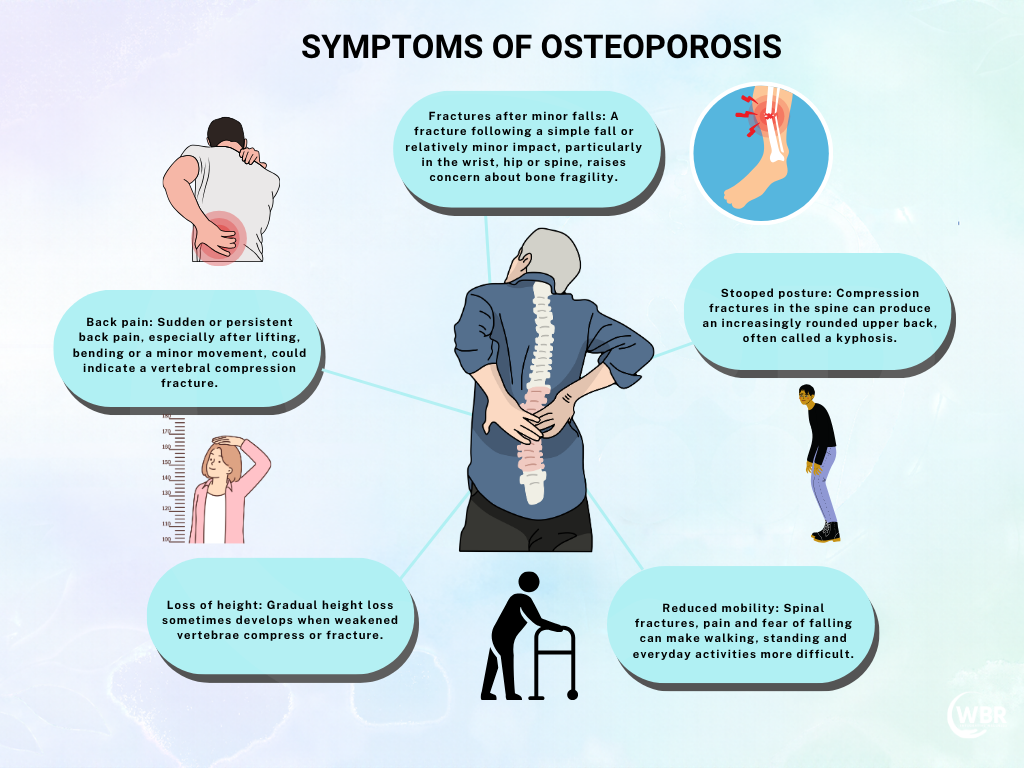
Finally, chronic digestive symptoms, unexplained weight loss, early menopause, long-term steroid use or a fracture after a minor fall deserve medical attention.
These measures work best as a consistent routine rather than a collection of isolated interventions. Together, they support strength, mobility and safer daily living.
Conventional Osteoporosis Treatment Still Matters
A functional medicine approach complements conventional care rather than replacing it. Osteoporosis increases the risk of fractures, and some people require medication to reduce that risk.
Clinicians select treatment according to fracture history, bone density, age, medical conditions, kidney function and other individual factors. Options include bisphosphonates, denosumab and bone-forming medicines for selected patients.
Each medication has specific benefits, precautions and monitoring requirements. Therefore, patients should discuss treatment choices with their healthcare professional instead of starting, stopping or changing medication independently.
Calcium and vitamin D support treatment when dietary intake or vitamin D status requires correction. However, supplements alone do not provide adequate protection for every person with osteoporosis.
Regular follow-up helps clinicians assess treatment response, adherence, side effects and the need for further investigation. A repeat DXA scan may form part of monitoring, depending on the clinical situation.
Lifestyle changes, resistance exercise, adequate protein intake and fall prevention strengthen this approach. Addressing digestive disorders or other causes of nutrient malabsorption also helps improve overall care.
The goal is not simply to increase bone density. It is to reduce fracture risk, preserve mobility and support long-term independence.
Building a Personalised Functional Medicine Plan
A practical plan begins by identifying the factors most relevant to the individual. Rather than following a generic supplement protocol, work with a qualified healthcare professional to connect assessment findings with clear actions.
Step 1: Assess bone health. Review fracture history, family history, menopause status, medication use and other risk factors. Arrange a DXA scan or additional tests when clinically appropriate.
Step 2: Correct nutritional gaps. Evaluate calcium, vitamin D, protein and overall energy intake. Use supplements when indicated, with doses tailored to individual needs.
Step 3: Investigate underlying conditions. Assess digestive symptoms, suspected malabsorption, hormonal disorders and other medical contributors. Treat diagnosed conditions rather than relying on broad supplement protocols.
Step 4: Support the gut microbiome. Include fibre-rich foods that suit digestive tolerance. Consider prebiotics or a strain-specific probiotic only when there is a clear rationale and realistic understanding of the evidence.
Step 5: Improve strength and balance. Develop a safe, consistent exercise routine. Seek professional guidance when osteoporosis, fractures or mobility limitations affect exercise choices.
Step 6: Reduce preventable risks. Stop smoking, avoid alcohol, review fall hazards and maintain appropriate medical follow-up.
Finally, track meaningful outcomes such as adherence, strength, mobility, falls and clinical monitoring results. This approach makes the plan more individualised while keeping established fracture-prevention strategies at its centre.
Conclusion: A Whole-Body Approach to Stronger Bones
Osteoporosis and osteopenia reflect changes in bone remodelling, but their underlying contributors extend beyond calcium intake. Hormonal shifts, nutrient deficiencies, digestive disorders, inflammation, physical inactivity and ageing all influence skeletal health.
A functional medicine approach considers these factors together. It prioritises appropriate testing, adequate nutrition, resistance and weight-bearing exercise, fall prevention and treatment of underlying conditions. In addition, supporting gut health through dietary fibre and carefully selected probiotic products offers an area of ongoing interest.
However, no probiotic, prebiotic or dietary supplement replaces established osteoporosis treatment when medication is indicated. The most effective plan combines individual assessment with practical, sustainable habits and appropriate clinical care.
By addressing the factors that influence bone health, people can take meaningful steps towards preserving strength, mobility and independence throughout life.
Medical disclaimer: This article provides general educational information and does not replace individual medical advice, diagnosis or treatment. Consult a qualified healthcare professional about bone-density testing, supplements, exercise safety and osteoporosis medication.
References
- The Gut-Bone Axis: A Systematic Review on the Potential Intervention Pathways for Bone Health — Life, 2026. Read on PubMed
- Probiotic Supplementation and Bone Health Parameters in Adults: A Systematic Review and Meta-Analysis — Osteoporosis International, 2026. Read on PubMed
- Limosilactobacillus reuteri 6475 and Prevention of Early Postmenopausal Bone Loss: A Randomized Clinical Trial — JAMA Network Open, 2024. Read the full text on PubMed Central
- Probiotics as a New Regulator for Bone Health: A Systematic Review and Meta-Analysis — BioMed Research International, 2021. Read on PubMed
- The Improving Effect and Safety of Probiotic Supplements on Patients with Osteoporosis and Osteopenia: A Systematic Review and Meta-Analysis of 10 Randomized Controlled Trials — BioMed Research International, 2021. Read the full text on PubMed Central
- Effects of Probiotics on Bone Mineral Density and Bone Turnover: A Systematic Review — Critical Reviews in Food Science and Nutrition, 2023. Read on PubMed
- The Impact of Probiotics and Synbiotics Supplementation on Bone Health: An Umbrella Review of Systematic Reviews and Meta-Analysis — 2026. Read on PubMed
- Calcium and Bone Health: Nutrition Guidance — International Osteoporosis Foundation. Read the guidance
- Nutrition and Bone Health — International Osteoporosis Foundation. Read the guidance
- The Clinician’s Guide to Prevention and Treatment of Osteoporosis — Osteoporosis International, 2022. Read the article